The glitz, glamour, and unimaginable wealth of modern superhero cinema carefully conceal one of the darkest, most terrifying personal histories ever recorded in the entertainment industry.
For over a decade, Robert Downey Jr. has been universally worshipped as the untouchable, billion-dollar anchor of Hollywood’s most lucrative and celebrated blockbuster franchise.
But a shocking dive into heavily buried industry archives is actively dismantling that polished, family-friendly narrative to reveal a deeply unsettling past.
The explosive truth about the actor’s horrific, decades-long spiral into severe substance abuse is resurfacing, exposing a level of absolute depravity that studio executives desperately tried to erase from the public consciousness.
This isn’t just a simple story of a young actor partying too hard in the excess-driven culture of the 1980s.
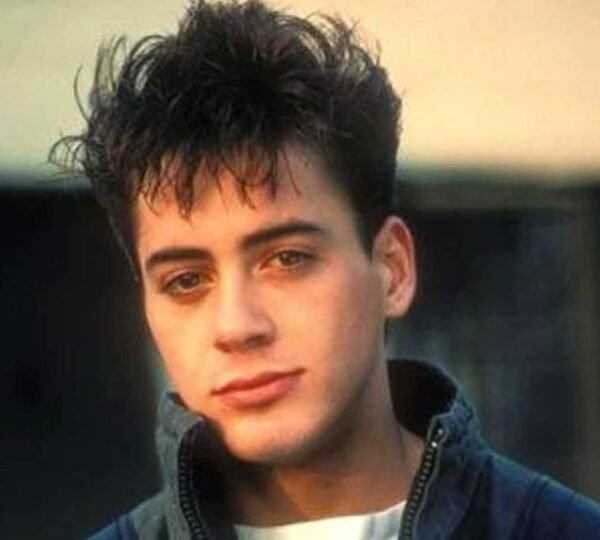
It is a deeply disturbing exposé of generational trauma, catastrophic legal failures, and a miraculously engineered comeback that completely rewrote the rules of celebrity redemption.
To understand the sheer magnitude of this staggering Hollywood pivot, you have to trace the toxic timeline all the way back to his incredibly controversial and unprotected childhood.
Born into the chaotic, boundary-less world of 1970s underground filmmaking, Downey was entirely stripped of a normal, sheltered upbringing from the moment he could walk.
Explosive reports indicate that his own father actively introduced him to potent narcotics when he was just a small child, a devastating revelation that changes how we view his entire career.
This horrifying breach of parental trust essentially hardwired the young prodigy to equate heavy substance use with familial affection, love, and emotional validation.
The chilling implication of this childhood exposure is that his eventual, catastrophic breakdown was practically pre-programmed into his psychology before he even understood what fame was.
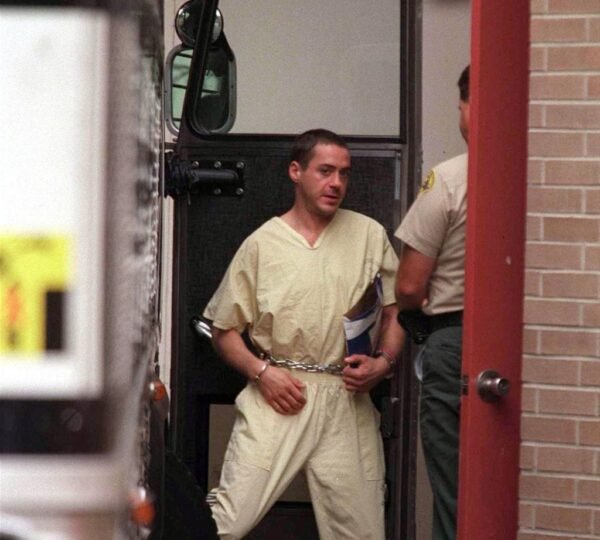
By the time he was a teenager, he was already dominating the silver screen, dropping out of high school to fully surrender to the cutthroat, predatory entertainment industry.
He quickly became the golden boy of the 1980s, leveraging his undeniable charisma in generation-defining cult classics that made him an overnight, bankable sensation.
His critically acclaimed performance in the brutal 1987 drama ‘Less Than Zero’ was supposed to be a massive breakthrough, but insiders now reveal it was practically a terrifying documentary of his real life.
The dark implication is that audiences were unknowingly paying to watch a young man actively drown in his own catastrophic addiction right in front of the cameras.
Behind the flashing paparazzi bulbs and massive box office returns, his off-screen existence mutated into a high-stakes nightmare fueled by an insatiable, rapidly escalating addiction to cocaine and alcohol.
The immediate backlash from his inner circle was absolutely deafening as his erratic, highly dangerous behavior violently alienated his closest allies and romantic partners.
High-profile relationships violently imploded, and legendary Hollywood heavyweights desperately attempted to stage emergency interventions to save his rapidly deteriorating life.
These frantic, behind-the-scenes rescue missions were completely useless against the crushing, suffocating weight of his deeply rooted demons.
The entire facade finally came crashing down in a spectacular, internationally publicized disaster in the sweltering summer of 1996.
Police intercepted the wildly out-of-control star on a Los Angeles highway, uncovering a terrifying mobile arsenal of heroin, crack cocaine, and an unloaded .357 Magnum hidden in his vehicle.
The sheer volume of illegal contraband pulled from his car sent absolute shockwaves through the global entertainment industry, triggering an immediate and ruthless corporate panic.
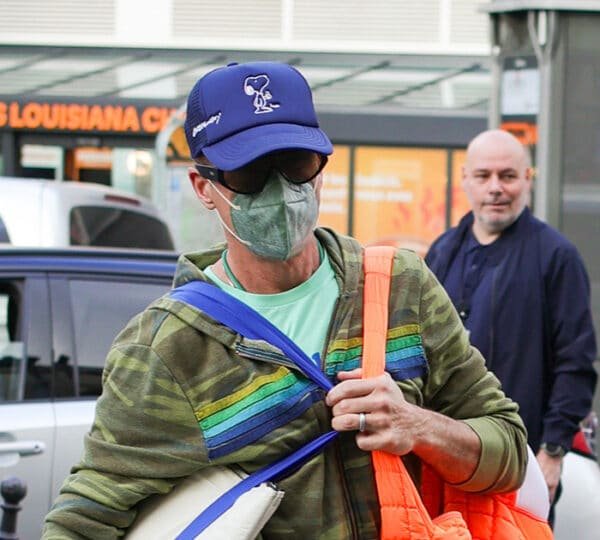
Studios instantly scrambled to sever all ties, entirely blacklisting the former golden boy as he transformed from a bankable leading man into an unprecedented financial liability.
The terrifying freefall didn’t stop with a single arrest; just weeks later, a heavily intoxicated Downey wandered into a completely random Malibu residence in the dead of night.
In an incident that was heavily mocked by the media but deeply indicative of a total psychological collapse, he was discovered passed out in a terrified neighbor’s bed.
The public reaction was a sickening mix of ruthless mockery and genuine horror as the world watched a generational talent actively destroy his legacy in real-time.
He was slapped with severe probation, mandatory drug testing, and strict court-ordered rehabilitation, but the legal system completely failed to contain the unstoppable spiral.
Downey flagrantly violated these strict judicial mandates over and over again, entirely incapable of breaking the chemical chains that had bound him since childhood.
The horrific implication for the industry was that absolutely no amount of money, fame, or legal threats could stop his inevitable march toward total self-destruction.
By 1999, an exhausted judge finally dropped the hammer, sentencing the shattered star to three agonizing years in a brutal California state penitentiary.
This wasn’t a luxury celebrity rehab facility; this was a hardened, unforgiving environment that violently stripped him of his remaining dignity and multi-million-dollar status.
During his terrifying incarceration, massive blockbusters he had previously filmed were quietly released without him, actively erasing his physical presence from the massive marketing campaigns.
The once-untouchable icon was now officially a convicted felon, completely abandoned by the massive corporate machine that had ruthlessly profited from his youth.
But in a shocking, unprecedented legal twist that still baffles legal experts today, Downey was suddenly granted an early release by a judge in the year 2000.
Within days of walking out of his prison cell, he immediately infiltrated the set of a massive network television show, sparking one of the most controversial career pivots in broadcast history.

While the public heavily praised his magnetic return to the screen, industry insiders were quietly terrified that his sudden resurgence was nothing more than a fragile, ticking time bomb.
Their worst fears were instantly realized when his demons violently resurfaced yet again, leading to even more devastating public setbacks, massive legal trouble, and brutal firings.
When he was abruptly terminated from his television comeback despite single-handedly saving the show’s ratings, the backlash from network executives was absolutely ruthless and immediate.
They publicly branded him as completely unemployable, ensuring that his name became totally toxic in every major casting room across the globe.
It took years of grueling, agonizing, under-the-radar rehabilitation for him to finally secure the ironclad sobriety that would ultimately save his life and his shattered reputation.
Slowly, he began clawing his way back into the good graces of deeply skeptical studio executives who demanded absolute, flawless perfection and zero liabilities.
The climax of this incredible, heavily guarded redemption arc arrived when a desperate comic book studio took a massive, multi-million-dollar gamble on the disgraced, uninsurable actor.
Casting a notorious former felon as the face of a brand-new, high-stakes cinematic universe was widely viewed as absolute, undeniable corporate suicide.
But the explosive, record-shattering success of that singular casting decision completely altered the financial trajectory of global cinema forever.
The implication of this historic comeback goes far beyond mere box office numbers; it fundamentally changed how society views addiction, punishment, and the possibility of eventual forgiveness.
He miraculously went from wearing a prison jumpsuit to becoming the highest-paid, most powerful entity in the entire global entertainment landscape.
The stunning reversal was so complete and absolute that he eventually received a highly coveted, deeply symbolic pardon from the governor of California.
This official state decree effectively wiped the stain of his darkest, most terrifying era from his legal record, cementing his status as the ultimate survivor.
The explosive truth of Robert Downey Jr.’s journey exposes the brutal, unforgiving meat grinder of celebrity culture and the incredible resilience required to survive it.
It violently proves that the very industry that will eagerly watch you burn to the ground will just as happily profit from your miraculous resurrection.
His heavily scrutinized past is no longer a source of shame, but a massive, incredibly lucrative testament to the sheer, unstoppable force of human endurance.