The chilling, blood-stained concrete of the university campus has barely been washed clean, yet a massive, unprecedented legal bombshell is already threatening to shatter the entire narrative. What was initially sold to the public as an open-and-shut capital murder case is suddenly unraveling in the shadows of a highly classified evidence room.
Tyler Robinson was paraded as the undisputed rooftop sniper who callously ended Charlie Kirk’s life with a single, devastating shot from 410 feet away. But newly leaked, deeply buried court documents reveal a staggering failure by federal investigators that could change absolutely everything.
The deafening crack of the rifle was supposed to be the end of the story, followed by the wail of police sirens tearing through the crisp September night. Now, the absolute silence from the Bureau of Alcohol, Tobacco, Firearms and Explosives regarding a catastrophic forensic mismatch is deafening.
The prosecution’s star witness wasn’t even a person; it was an ancient, unique family heirloom smelling of heavy gun oil and dark wood. The suspect’s own father, his heart shattering into a million pieces, recognized the weapon on the evening news and surrendered his son to the flashing red and blue lights.
But the frantic, sweat-drenched internal panic of the accused was fully immortalized in a series of desperate, late-night text messages. Glowing in the pitch-black darkness of a hiding spot, Robinson’s thumbs violently pounded against the cracked glass of his phone screen as he messaged his partner.
“If I am able to grab my rifle unseen, I will have left absolutely no evidence behind,” the encrypted message read, dripping with raw paranoia. “I am going to attempt to retrieve it again from the brush, hopefully they have moved on and the coast is finally clear.”
The suffocating terror of leaving his grandfather’s untraceable gun in the damp, scratching branches of a nearby drop point was eating him alive. The crushing weight of his father’s impending, explosive rage clouded every single frantic decision he made in those crucial hours.
“I’m terrified of what my old man would do if I didn’t bring back grandpa’s rifle,” the panicked digital confession continued. “I don’t even know if the damn thing had a serial number, but it wouldn’t trace to me if I just wipe it clean.”
“You need to permanently delete every single thing we just said right now,” he practically begged through the digital ether, desperate to burn the trail. “Wipe the history and destroy the phone, because law enforcement is definitely listening to us.”
Despite the chilling premeditation dripping from those texts, a horrifying secret was waiting on the cold, stainless steel of the autopsy table. The federal forensic analysts have quietly admitted they cannot conclusively match the fatal bullet pulled from the victim to the rusted barrel of that family rifle.
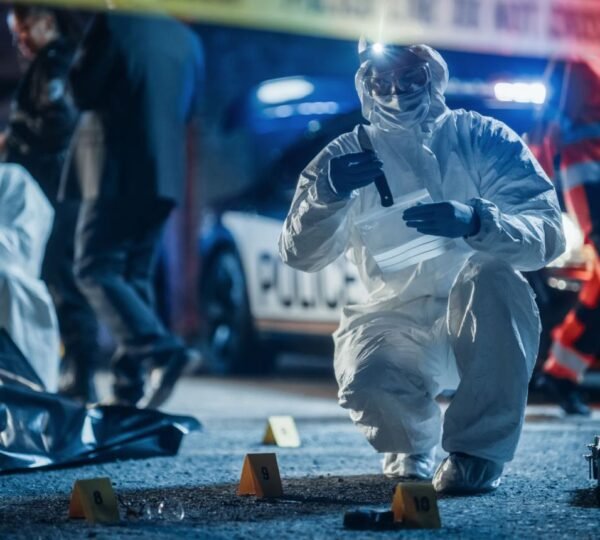
Now, high-powered defense attorneys are ruthlessly circling the panicked prosecutors, armed with twenty thousand files of chaotic, contaminated evidence. They are aggressively demanding a massive six-month halt to the entire trial, pointing to a disastrous web of scrambled DNA profiles smeared across the crime scene.
The sterile government laboratories are completely overwhelmed, forced to call in a small army of geneticists just to untangle the microscopic ghosts haunting the evidence bags. Without the undeniable, iron-clad scientific marriage of that specific projectile to that specific gun, the state’s narrative is dangling over a terrifying abyss.
The government is desperately clinging to their digital breadcrumbs, hoping a jury will ignore the colossal, glaring holes in their ballistic science. As the April court date looms like a violent storm cloud, the entire justice system is holding its breath to see if a catastrophic forensic blunder will let an alleged killer walk free.